Navigating the Cradle of Humankind: Clear Answers for Travelers
Living in Johannesburg for the past six years has given me plenty of occasions to load up my trusted bakkie, leave the city sprawl behind, and head out to the highveld grass plains west of town. The transition from asphalt suburbs to rolling open country takes less than forty minutes, yet the landscape feels strikingly raw. Down in these limestone valleys, beneath thin topsoil and thorn trees, lies the world’s highest density of hominin remains. International visitors often arrive with a tangle of practical questions regarding logistics, ticket options, and subterranean cave conditions. I have compiled this practical guide to answer those exact queries so you can organize your journey into deep history without unexpected friction.
Essential Landscape & Site Orientation
What exactly is the Cradle of Humankind?
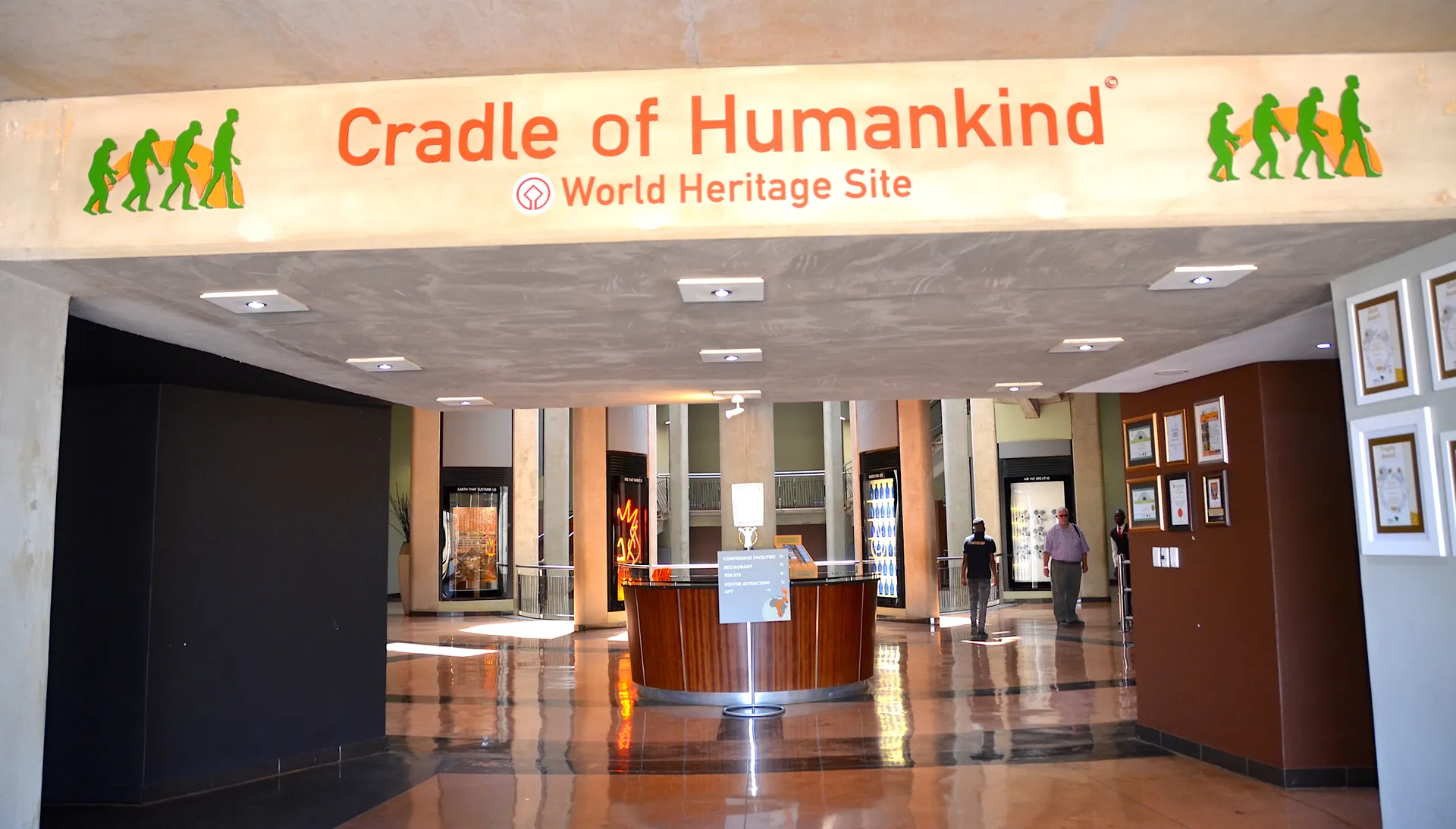
The Cradle of Humankind is not a single enclosed theme park or isolated museum. It is a vast, 47,000-hectare regional district officially registered by UNESCO World Heritage Centre as the Fossil Hominid Sites of South Africa. Spread across the West Rand of Gauteng and extending into the North West province, the region contains dozens of active archaeological dig sites situated on private and public farmland. For visitors, two main hubs form the public core of the experience: the Maropeng Visitor Centre, which houses interactive educational galleries, and the Sterkfontein Caves, where scientists excavate subterranean fossil deposits. Understanding this spatial distinction ensures you do not drive blindly onto a private farm expecting a ticket booth.
Is the Cradle of Humankind worth visiting?
If you have any curiosity about how our species evolved, a trip here is deeply rewarding. Standing inside the Sterkfontein caverns just feet away from where two-million-year-old hominin skulls were extracted provides a sense of physical connection to prehistory that books cannot replicate. The site caters well to mixed groups, combining world-class paleoanthropology with scenic highveld views and excellent surrounding restaurants. Those seeking high-speed carnival entertainment might feel out of place, but travelers who appreciate historic context find it brilliant. You can review our comprehensive exhibitions and attractions guide to see how the interactive displays bring ancient fossil records to life.
How far is the site from Johannesburg and Pretoria?
The core visitor hubs lie approximately 45 to 50 kilometres northwest of central Johannesburg and roughly 65 kilometres southwest of Pretoria. Under normal traffic conditions, driving from Johannesburg suburbs like Sandton or Rosebank takes about 45 to 50 minutes along the N14 highway and Hendrik Potgieter Road (M47). Driving from central Pretoria takes around 55 minutes via the N14 south. However, weekday morning rush hours between 07:00 and 09:00 can lengthen travel times considerably. If you want detailed lane directions and map routes, examine our transportation and driving guide before setting off.
Planning Your Itinerary & Logistics
Should I visit Maropeng Visitor Centre or the Sterkfontein Caves first?
Starting your day at the Sterkfontein Caves around mid-morning is generally the best tactical sequence. Subterranean cave tours involve physical movement, climbing narrow stone stairs, and navigating humid chambers, which feels far better accomplished before the midday heat settles over teh veld. After spending ninety minutes exploring the cave system, you can make the short ten-minute drive over to Maropeng for lunch at the Tumulus restaurant, followed by a relaxed afternoon walk through the air-conditioned indoor exhibition galleries. If you prefer to study detailed site comparisons, consult our breakdown on the Maropeng visitor experience.
How much do tickets cost, and should I book online or on-site?
Standard adult entry for 2026 is R150 per person for Sterkfontein Caves and R150 for the Maropeng Visitor Centre. Children aged six to eighteen enter for R125, while children under six enter free of charge, with a strict maximum of two free young children per paying adult inside the cave network. South African pensioners receive a discounted rate of R100 upon displaying valid identification. While ticket counters operate at both entrances, purchasing your entry passes online ahead of time via Webtickets South Africa is highly recomended during weekend peak hours and school holiday periods to avoid queue delays. You can compare combined ticket bundles and entry structures on our dedicated tickets and tour pricing page.
| Visitor Category | Sterkfontein Caves Entry | Maropeng Visitor Centre Entry | Booking Recommendation |
|---|---|---|---|
| Adults (19+) | R150 | R150 | Pre-book online for weekends |
| Children (6–18 yrs) | R125 | R125 | Pre-book online |
| Children (Under 6 yrs) | Free (Max 2 per adult) | Free | Claim free ticket at counter |
| Pensioners (With ID) | R100 | R100 | Available on-site or online |
What are the opening hours, and what days are the sites closed?
Maropeng Visitor Centre operates daily from 09:00 to 16:00, including Mondays and most public holidays. Sterkfontein Caves open Tuesday through Sunday from 09:00 to 16:00, but remain closed every Monday for site maintenance and research operations led by the University of the Witwatersrand. Guided cave tours depart in batches roughly every 30 to 45 minutes, with the final cavern entry strictly departing at 15:00. Arriving after 14:30 usually means missing the final cave departure entirely.
“Always double-check Monday schedules before driving out from Johannesburg. Finding the Sterkfontein gates locked because of weekly research work is a common mistake for unprepared international travelers.”
Physical Requirements & Fossil Discoveries
Are the Sterkfontein Caves physically demanding or claustrophobic?
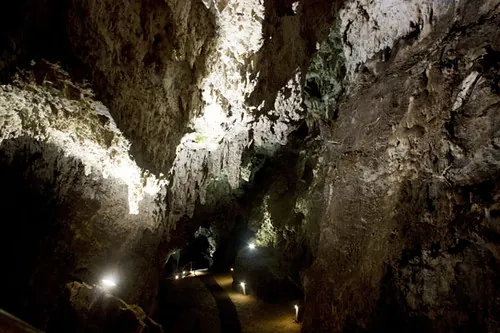
The cave descent involves descending roughly sixty metres below ground via a modern metal staircase consisting of over 200 individual steps. Pathways inside the limestone chambers are well-lit and fitted with safety handrails, but certain passages require adults to stoop or duck beneath low rock overhangs for brief ten-metre stretches. Visitors with severe claustrophobia, acute knee issues, or heart conditions may find these tight sections uncomfortable. If you wish to learn more about environmental rules and physical accessibility, inspect our official visitor guidelines and cave safety overview.
What to wear to Sterkfontein Caves?
Wear flat, closed-toe walking shoes or light trail sneakers with decent rubber grip. Damp limestone pathways inside the cavern system remain slick year-round, making high heels or smooth-soled flip-flops unsafe. Dress in light breathable layers, as underground humidity stays constant around 18 to 20 degrees Celsius even when cold winter winds blow across the highveld surface. Bringing a wide-brimmed sun hat, sunscreen, and a reusable water bottle for the walk back up the surface hill is something that you ought to be prepared for.
Who is “Mrs. Ples” and why is she important?
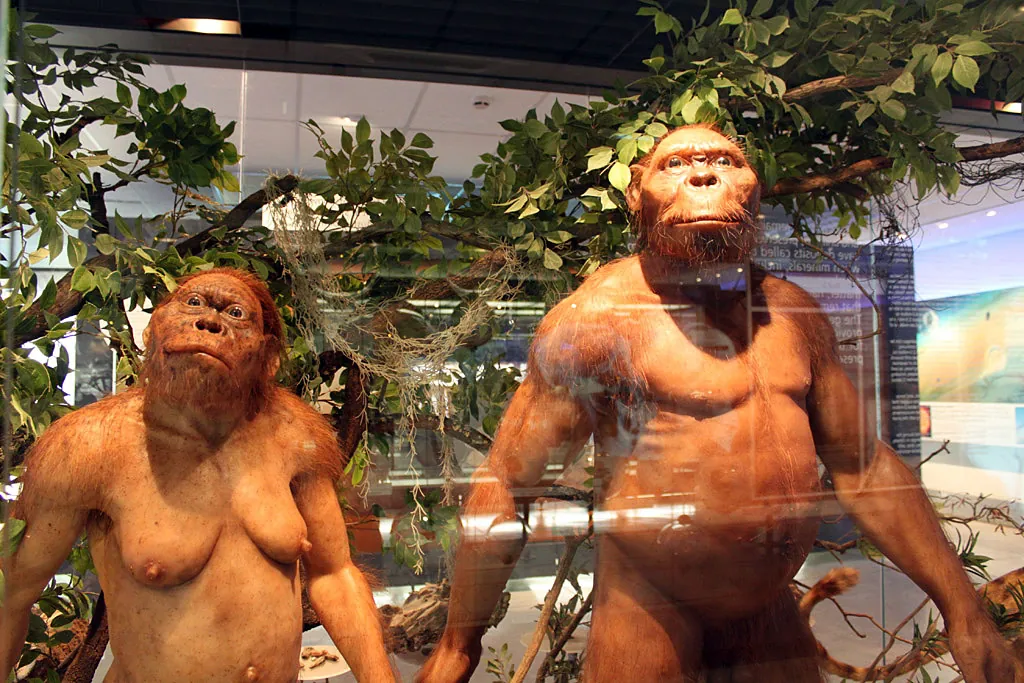
Mrs. Ples is the popular nickname given to an extraordinarily well-preserved, 2.3-million-year-old skull of Australopithecus africanus. Discovered at Sterkfontein in 1947 by paleontologists Robert Broom and John Robinson, this fossil provided definitive scientific proof that early human ancestors walked upright in Africa millions of years before developing larger brain capacities. The discovery cemented Southern Africa as a critical focal point for human evolutionary research. You can read about the full timeline of early excavations in our section on archaeological history and hominin discoveries.
Is there a skeleton older than Lucy?
Yes, the fossilized skeleton known as “Little Foot” is significantly older than Ethiopia’s famous “Lucy” (Australopithecus afarensis). Discovered deep within Sterkfontein’s Silberberg Grotto by Professor Ron Clarke, Little Foot is an extraordinarily complete Australopithecus specimen dated to approximately 3.67 million years old, compared to Lucy’s age of roughly 3.2 million years. The meticulous extraction process required over twenty years of careful delicate work underground using micro-drills to free delicate bones from hard calcified matrix rock.
Little Foot represents the most complete early hominin skeleton ever uncovered, preserving over 90 percent of its original bone structure intact after nearly 3.7 million years.
What are some interesting facts about the Cradle of Humankind?
- Density of Discoveries: Over 40 percent of the world’s known early human ancestor fossils have been recovered from this single 47,000-hectare region.
- Underground Rivers: The Sterkfontein system holds a massive subterranean lake located more than forty metres beneath the main excavation chambers.
- New Species Uncovered: In 2013, researchers working inside the nearby Rising Star Cave system discovered Homo naledi, revealing a previously unknown hominin species that existed alongside early Homo sapiens.
- Dolomite Cave Formation: The surrounding karst landscape was formed in ancient marine limestone and dolomite rock strata created more than 2.5 billion years ago.
Family Travel, Transport & Nearby Accommodations
Is the site suitable for young children and families?
The Maropeng Visitor Centre is brilliant for families. The museum journey starts with an underground boat ride that drifts along an indoor water track illustrating the earth’s formation through elemental displays of water, fire, and ice, followed by interactive touch-screen games inside the main hall. Sterkfontein Caves are suited to older children aged six and above who can manage steep steps and follow safety instructions along narrow ledges without running ahead.
Can I use public transport to reach the site, or do I need a car?
No direct municipal public buses or Gautrain commuter rail services travel out to the Cradle of Humankind. Relying on standard rideshare apps like Uber for the return journey to Johannesburg is risky, as drivers frequently decline pick-up requests originating in distant rural sectors. Visitors must either hire a rental car from O.R. Tambo International Airport, hire a private driver for the day, or reserve an organized tour package with roundtrip hotel transfers. If you are structuring a broader Gauteng itinerary, review our practical guide on first-time regional planning tips for Gauteng.
Where can I eat or stay overnight near the heritage site?
The immediate area surrounding the heritage site contains fantastic boutique hotels, country lodges, and open-air dining spots. Maropeng features its own on-site hotel and restaurant overlooking the Magaliesberg mountain range. Nearby countryside estates like Forum Homini and Kloofzicht Lodge offer high-end accommodations paired with fine dining restaurants set along natural dams. For detailed dining recommendations and accommodation options, browse our full listing of local hospitality, hotels, and restaurants.
Maropeng Tumulus Restaurant
Located on the upper deck of the Maropeng visitor mound, offering expansive views over the highveld grass plains. Serves light lunches, flame-grilled meats, and cold drinks daily until 16:00.
Sterkfontein Cafe
A relaxed stone kiosk situated directly outside the cave exit doors. Ideal for grabbing quick coffees, freshly baked pies, and bottled drinks right after finishing your underground cave tour.
Book Your Guided Day Experience
If you prefer to let a professional local guide handle driving routes, entrance ticketing, and historical interpretation, joining an organized small-group day tour is an efficient option. Most guided excursions depart directly from Johannesburg or Pretoria hotels and combine both primary visitor hubs into a seamless day trip. You can reserve private transport options through official platforms like Gauteng Tourism Authority or pre-book structured regional tours to experience the deep evolutionary history we came here for.