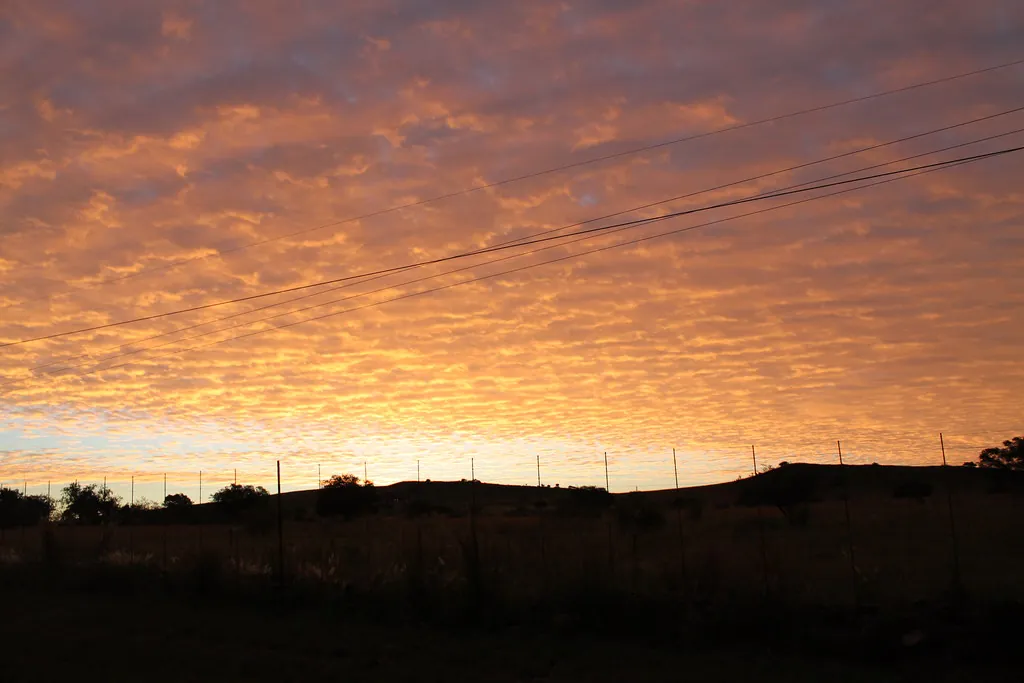
The Cradle of Humankind
Journey back three million years across Gauteng’s ancient dolomitic ridges, where early hominids walked, survived, and rewrote the history of human origins.
Top Guided Tours & Excursions
Book verified, hassle-free day trips from Johannesburg and Pretoria including hotel transport and expert guides.
Private Lesedi Cultural Village and Cradle of Humankind Tour
Maropeng Cradle of Humankind Museum &Sterkfontein Cave Experience
Cradle of Humankind World Heritage Site
Cradle of Humankind Guided Tour
Private Cradle Humankind, Caves or Maropeng, Rhino and Lion Park
Cradle of Humankind Tour:Sterkfontein Caves & Maropeng Experience
Looking for custom group itineraries or private transfer details? Visit our comprehensive Tickets & Tours Page.
Where Humanity Took Its First Steps
A sweeping 47,000-hectare landscape housing the highest concentration of hominid fossils on Earth.
Located just a 45-minute drive northwest of central Johannesburg or Pretoria, the Cradle of Humankind is far more than a typical weekend day-trip destination. Declared a UNESCO World Heritage Site in 1999, this expansive region of rolling grassland, acacia thickets, and deep dolomitic limestone cave systems contains the keys to unlocking our shared evolutionary narrative. If you have ever wondered where we came from, this is the place where our deepest ancestors first stood upright and tamed the spark of fire.
Whether you’re exploring the interactive exhibits at the Maropeng Visitor Centre or descending into the quiet dampness of the Sterkfontein Caves, visiting the Cradle offers an emotional and scientific journey unlike any other. For first-time travelers navigating Gauteng, organizing your itinerary around this UNESCO icon is an absolute must.
UNESCO Designation
Declared in 1999, protecting over 47,000 hectares of palaeontological treasure across Gauteng and North West provinces.
Key Hominid Fossils
Home to world-famous discoveries including “Mrs. Ples” (2.1 million yrs) and “Little Foot” (3.67 million yrs).
Subterranean Networks
Over a dozen major cave complexes including Sterkfontein, Swartkrans, Kromdraai, and Rising Star.
Current Conditions in the Cradle
Understanding the UNESCO Legacy
Why a peaceful stretch of South African veld holds global historical significance.
To grasp why the Cradle of Humankind holds such global prestige, one must understand its geology. Millions of years ago, natural water tables dissolved passages through ancient dolomite rock, creating deep subterranean caverns. Early hominids—alongside pre-historic big cats, baboons, and wild dogs—fell into these subterranean sinkholes or used them as shelters. Over millennia, sediment consolidated these skeletal remains into rock-hard breccia, preserving them perfectly for modern palaeoanthropologists to discover.
According to research managed by the University of the Witwatersrand (Wits), excavations in this area have produced thousands of hominid fossils, helping scientists map out the branches of Australopithecus africanus, Paranthropus robustus, and Homo naledi. According to the official UNESCO World Heritage Centre entry, no single site on earth has provided more crucial evidence regarding human physical evolution over the past 3.5 million years.
Core Attractions & Landmarks
Explore the premier points of interest across the heritage precinct.
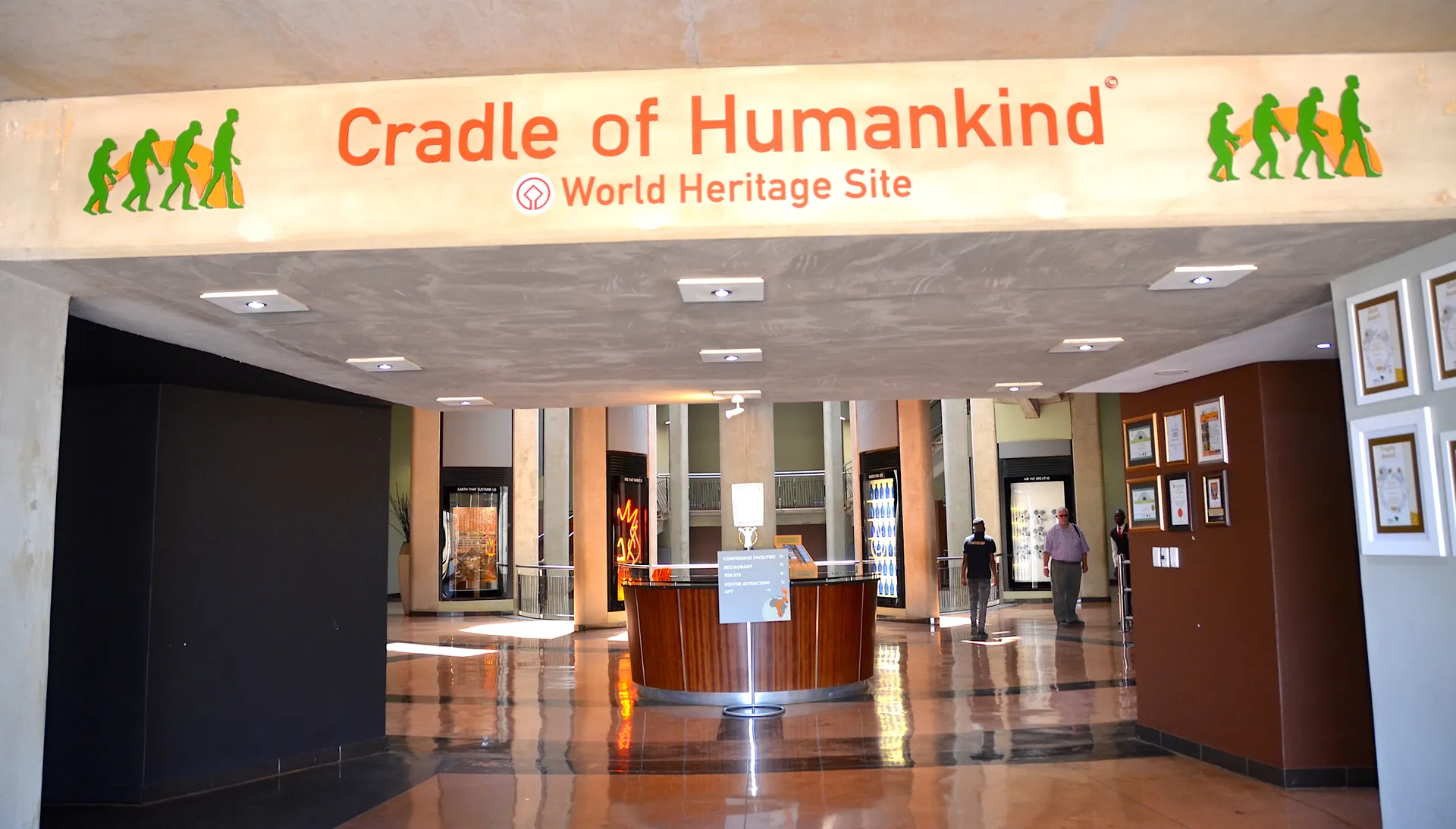
Maropeng Visitor Centre
The award-winning tumulus building designed to resemble an ancient burial mound. Features an underground boat ride detailing the earth’s creation and evolutionary history.
Read Guide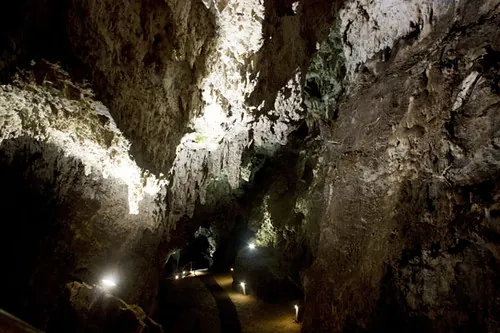
Sterkfontein Caves
The world’s most famous fossil excavation site. Walk down subterranean limestone pathways where “Mrs. Ples” and “Little Foot” were unearthed by pioneering scientists.
Read Guide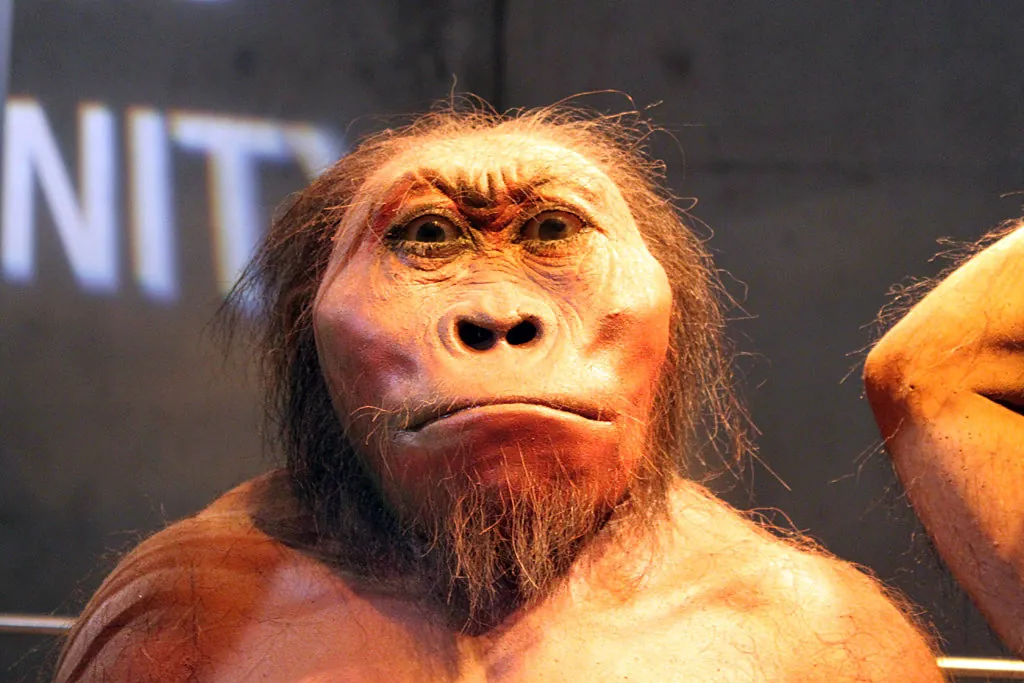
Fossil Vault & Prep Lab
Located at Sterkfontein, witness real-time paleoanthropological cleaning and reconstruction of ancient fossils by active university researchers.
Read Guide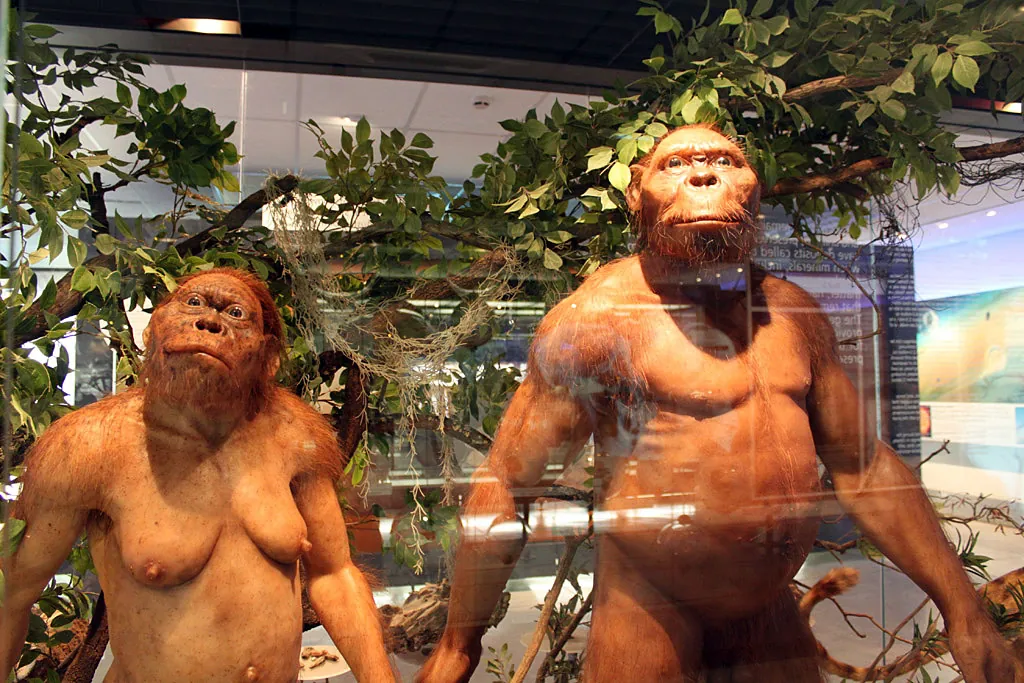
Hominid Exhibition Hall
Interactive displays depicting lifelike reconstructions of early human ancestors, showcasing physical adaptations from tree-climbing to bipedal movement.
Read Guide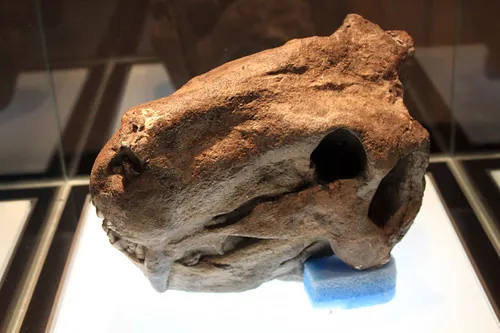
Maropeng Amphitheatre
A spectacular outdoor viewing deck and event space offering panoramic vistas across the Witwatersberg and Magaliesberg mountain ranges.
Read Guide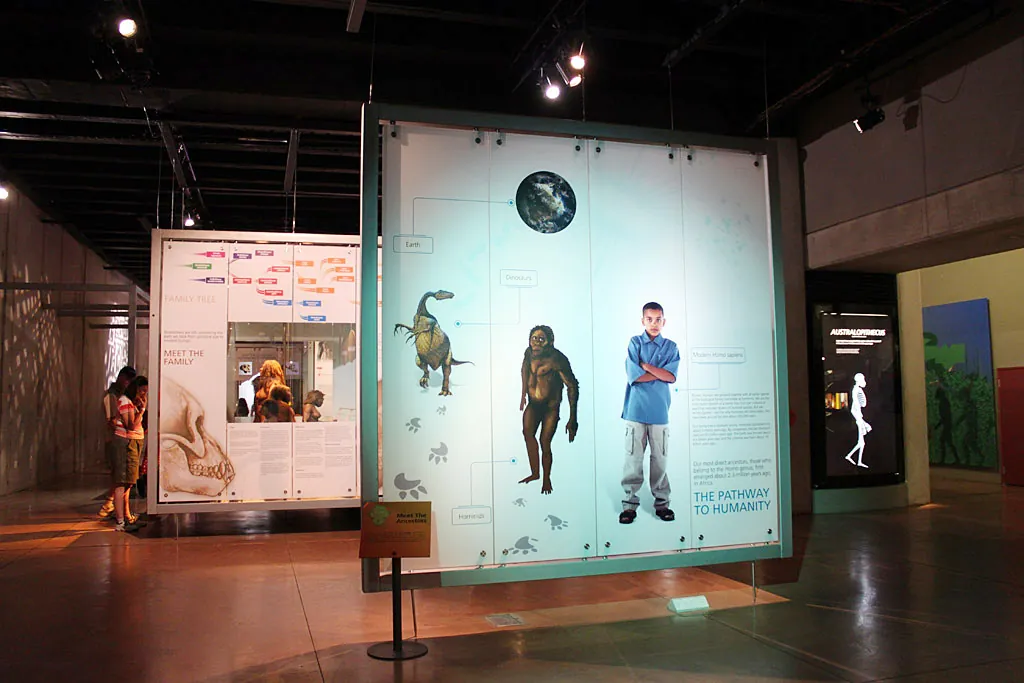
Emergence of Life Gallery
A walk through 4.5 billion years of planetary development, exploring ice ages, volcanic eruptions, mass extinctions, and the arrival of early mammals.
Read GuideUnforgettable Experiences
Tailor your visit around subterranean adventure, educational museum tours, or countryside leisure.
Subterranean Cave Explorations
Slip below the surface into ancient dolomitic caverns. Guided cave walks lead travelers through illuminated limestone formations, underground lakes, and active dig sites.
Explore Cave Rules & Logistics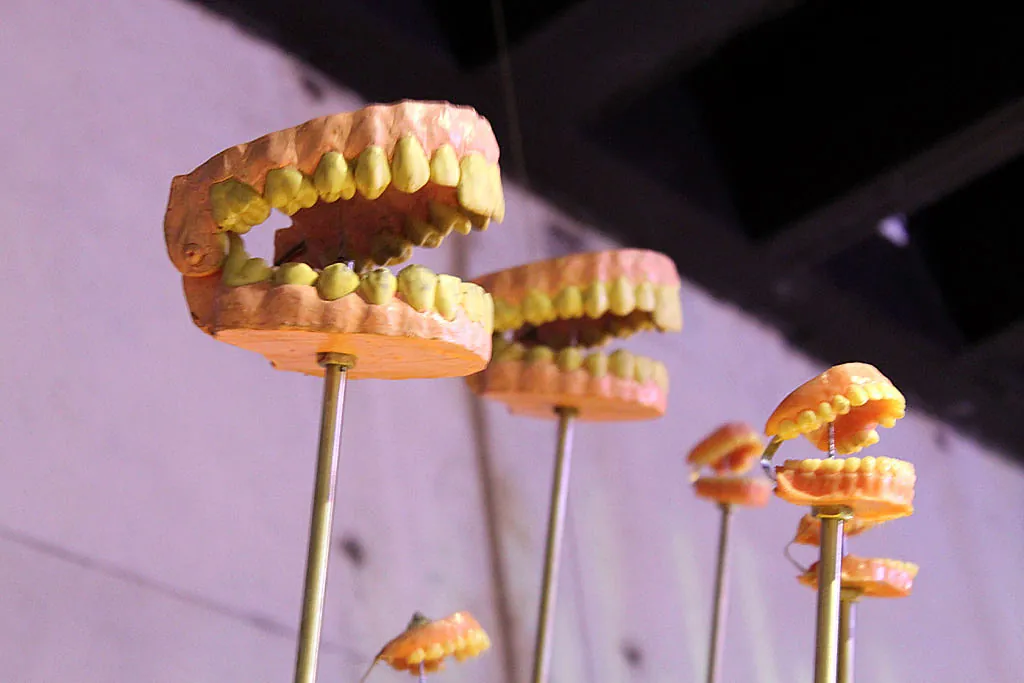
Interactive Family Museum Learning
Ideal for children and curious adults alike. Hop aboard the elements boat ride, experiment with audio-visual games, and touch genuine fossil cast replicas.
Plan Family Trip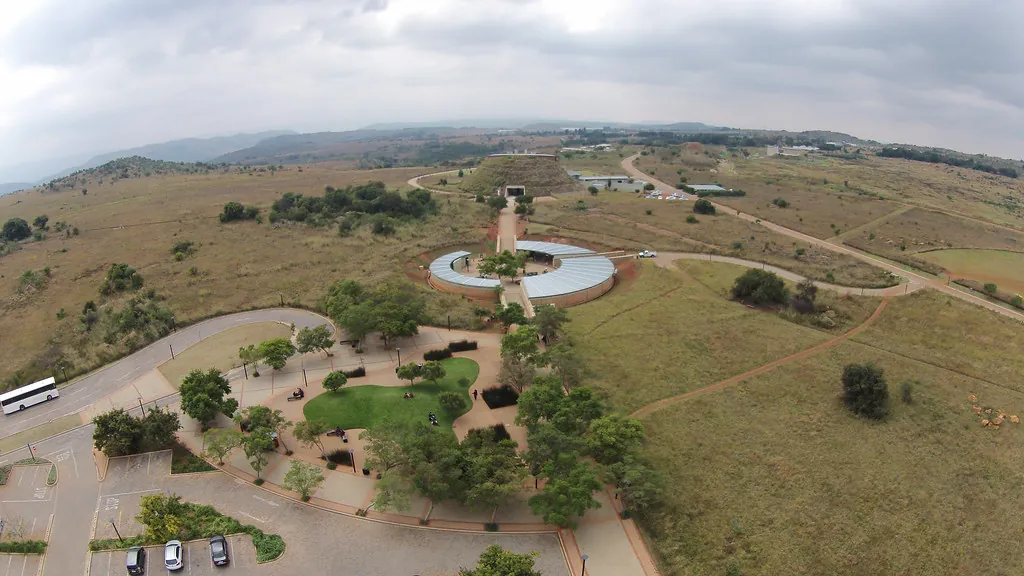
Highveld Dining & Country Relaxation
Unwind after a day of scientific discovery. Enjoy gourmet South African dining on the terrace at Maropeng Boutique Hotel, watching sunset over the highveld grasslands.
View Hotels & DiningThe Fossil Icons: Mrs. Ples & Little Foot
The extraordinary discoveries that forever changed modern evolutionary science.
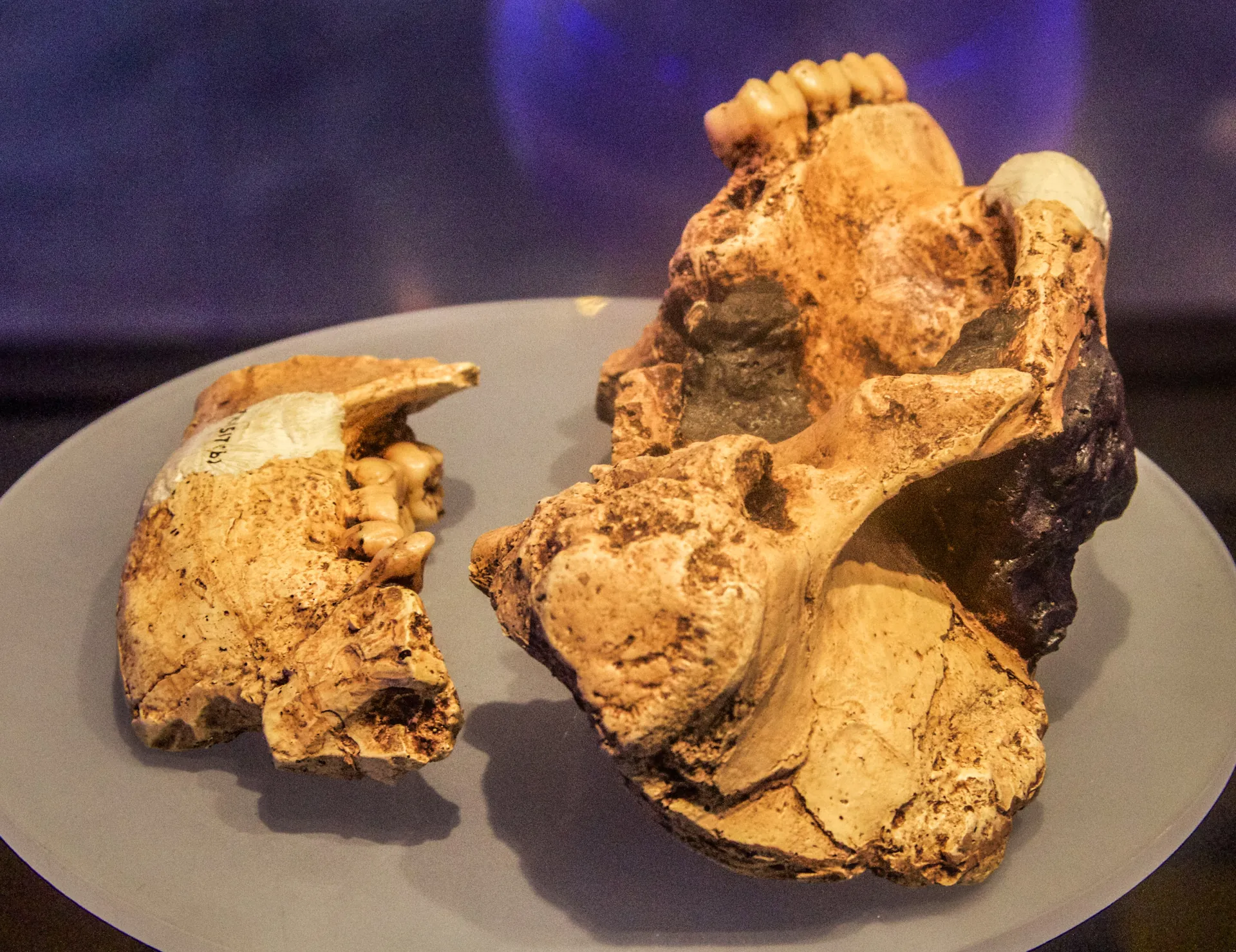
Two monumental fossil discoveries put the Cradle of Humankind on the international scientific map. The first was Mrs. Ples, discovered in 1947 by Dr. Robert Broom and John Robinson at Sterkfontein. Dated to roughly 2.1 million years old, this remarkably intact skull of Australopithecus africanus provided solid proof that early human ancestors walked upright long before developing larger brain capacities.
Decades later, Professor Ron Clarke uncovered Little Foot, an almost complete Australopithecus prometheus skeleton embedded in deep cave rock. It took over 20 years of painstaking excavation using dental tools to carefully extract the 3.67-million-year-old bones from the surrounding breccia. To read more about the scientific timelines and ongoing research, check out our dedicated guide to Archaeological History at the Cradle.
Navigating the Heritage Area
The Cradle spans 47,000 hectares across Gauteng—here is where the primary visitor nodes are located.
Planning your driving route from Sandton, O.R. Tambo International, or Pretoria? Review detailed directions on our Transport & Transport Directions Guide.
Deepen Your Planning
Explore our targeted guides to prepare for every detail of your visit.
Essential Practical Information
Opening hours, pricing structures, and visitor rules at a glance.
Maropeng Visitor Centre
- Opening Hours: Daily from 09:00 to 16:00 (including weekends and public holidays).
- Admission Pricing: R150 for adults; R125 for children (6-11 years); R100 for pensioners (with valid ID); Free for children under six.
- Official Site: Visit www.maropeng.co.za for temporary closure notices or special events.
Sterkfontein Caves
- Opening Hours: Tuesday to Sunday, 09:00 to 16:00 (Closed Mondays). Last cave tour departs at 16:00.
- Full Tour Admission: R150 for adults; R125 for children (6-18 years); R100 for pensioners; R80 for exhibition and prep lab access only.
- Location: Near Krugersdorp, roughly 40-50 km northwest of Johannesburg.
Logistics & Transport
Driving is straightforward via well-paved regional roads. Renting a car or hiring a driver in a sturdy ‘bakkie’ or sedan is recommended, as public transport options to the rural heritage zone are virtually non-existent. For full route instructions and car rental tips, see our guide on How to Get to the Cradle.
Safety & Dress Code
Wear flat, sturdy walking shoes with good grip—especially for subterranean paths in Sterkfontein Caves where stairs can be damp. Ensure you read our mandatory Visitor Rules & Dress Codes prior to arrival.
Frequently Asked Questions
Clear answers to common questions about visiting the Cradle of Humankind.
What is the Cradle of Humankind famous for?
It is world-famous for producing nearly 40% of the earth’s total hominid fossil discoveries. Major finds like “Mrs. Ples” and “Little Foot” have proved invaluable in understanding human evolutionary history over the past 3.5 million years.
How much does it cost to go to the Cradle of Humankind?
General admission for adults is R150 for Maropeng and R150 for full tours at Sterkfontein Caves. Child and pensioner discounts apply. You can review full ticket breakdowns and tour inclusions on our Tickets & Tours page.
What is the difference between Maropeng and the Cradle of Humankind?
The Cradle of Humankind is the entire 47,000-hectare UNESCO World Heritage region. Maropeng is the official interactive visitor centre and exhibition museum located within the heritage site.
Is the Cradle of Humankind worth visiting for first-timers?
Absolutely. Whether you are a science enthusiast, history buff, or family traveler, combining the underground adventure of Sterkfontein Caves with the interactive exhibits at Maropeng makes for a unforgettable day out from Johannesburg.
How long does a visit to the Cradle of Humankind take?
We recommend setting aside a full day (5 to 7 hours). This allows ample time to drive out, explore both Sterkfontein Caves and Maropeng, and enjoy lunch overlooking the highveld landscape.
Have additional queries? Browse our extensive Full FAQ & Planning Tools Page.