Planning Your First Trip to Gauteng: Essential Regional Tips
The Grand Mosaic of Gauteng: Highveld Horizons and Deep Time
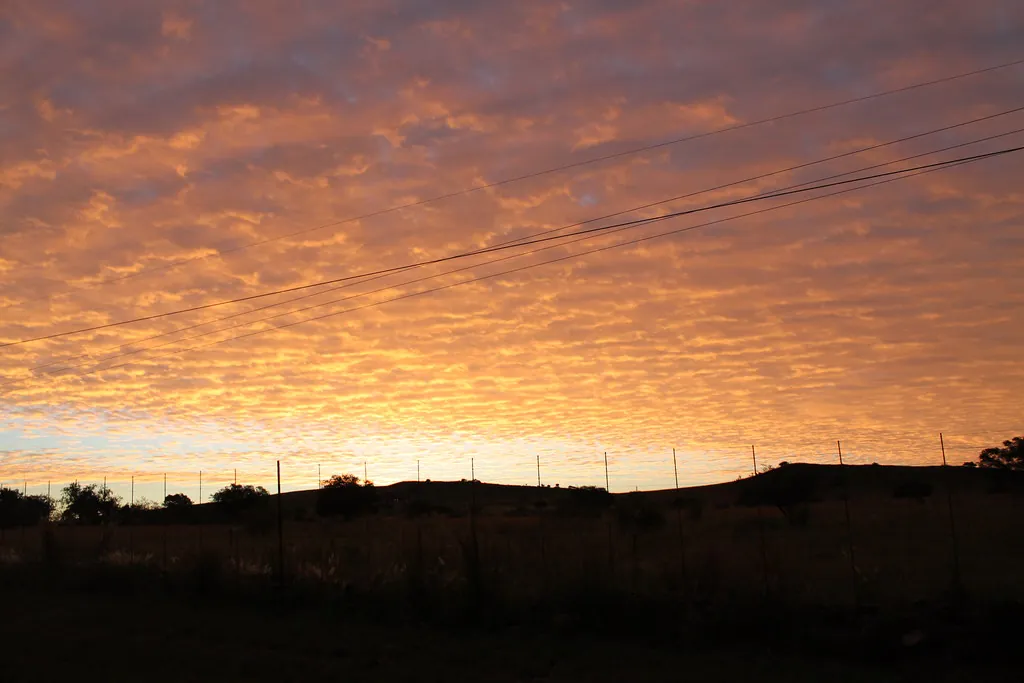
When I first moved from London to Johannesburg, the scale of the Highveld took me by surprise. The skyline of Gold Reef City and the glass towers of Sandton dominate the horizon, yet less than an hour’s drive away lies a quiet, rolling expanse of acacia grass veld (the open grasslands typical of the South African interior). This contrast defines Gauteng. It is a province where modern metropolitan intensity collides directly with ancient history. Most international visitors treat Johannesburg merely as a transit hub on their way to Kruger National Park or Cape Town, but doing so misses the soul of the region. The Cradle of Humankind Johannesburg corridor is one of the most intellectually rewarding landscapes on the continent, offering a window into millions of years of human heritage alongside a sharp, contemporary culture.
Structuring Your Gauteng Base: Urban Core vs. Country Retreat
Deciding where to anchor your trip determines the entire cadence of your stay. Gauteng is compact compared to other South African provinces, but traffic congestion along the N1 and N14 highways can quickly disrupt poorly planned days. You have three primary choices for your base:
- Johannesburg Metropolitan (Rosebank or Sandton): Perfect for travelers who want immediate access to high-end restaurants, art galleries, and the Gautrain rail network. Staying here makes evening dining simple and provides direct transit to O.R. Tambo International Airport.
- Pretoria (Jacaranda City): Located 50 kilometres north, Pretoria offers a quieter, diplomatic environment with historic government architecture, peaceful residential avenues, and spacious botanical gardens.
- Cradle Countryside Farmstay: Staying near Muldersdrift or Hekpoort places you directly inside the 47,000-hectare UNESCO World Heritage site. Morning light over the Magaliesberg hills is breathtaking, and you avoid the morning commute altogether.
For first-timers, splitting your time between an urban district like Rosebank and a rural boutique lodge near the Cradle provides the best balance of convenience and atmospheric rest. Detailed guidance on regional accommodations and boutique stays can be found in our dedicated dining and accommodation guide.
How Many Days in Johannesburg is Enough?
A common question from international travelers is: how many days in Johannesburg is enough? To absorb both the modern history of the city and the paleoanthropological sites nearby, three to four full days is the optimal duration. A single day is simply too short to bridge the geographic distance between central heritage sites and the rural cave networks. Three days allows you to allocate one dedicated day to urban constitutional history and township culture, one full day to exploring the Cradle of Humankind Johannesburg sites, and a third day for relaxed exploration of art markets, local gastronomy, or a nearby nature reserve like Pilanesberg.
Allocating three to four days in Gauteng gives you enough space to appreciate both the modern urban rhythm of Johannesburg and the quiet stillness of the ancient veld without rushing your subterranean cave tours.
Master Itinerary: Two Days on the Highveld
Day 1: Urban Core Immersion
Begin your morning at Constitution Hill in Braamfontein, the seat of South Africa’s Constitutional Court housed within the walls of a former colonial prison complex. From there, head south to the Newtown cultural district to visit the Market Theatre precinct. Spend your afternoon exploring Maboneng or Rosebank’s Keyes Art Mile, finishing the evening with dinner at one of the contemporary grillhouses in Sandton.
Day 2: The Cradle Heritage Core
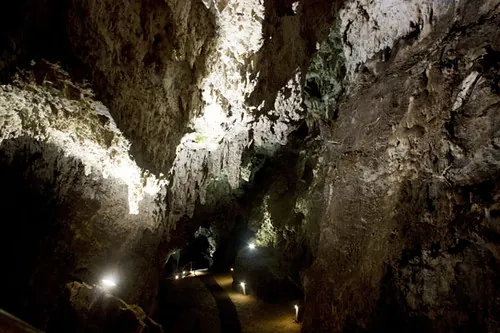
Drive northwest along the N14 towards the R400. Start at the Maropeng Visitor Centre (adult admission ranges between R190 and R250), taking the underground boat ride through simulated geological eras. In the afternoon, travel ten minutes down the road to the Sterkfontein Caves to inspect active fossil excavation sites where famous hominid discoveries like Mrs. Ples and Little Foot were unearthed.
Before heading underground, ensure you review our practical visitor rules and safety guidelines for details on cavern physical accessibility and recommended footwear.
Navigating Logistics: Car Rentals and Highveld Roads
Public transport inside Gauteng is divided between the ultra-modern Gautrain rapid rail system and private minibus taxis. While the Gautrain is ideal for airport transfers and moving between Sandton, Rosebank, and central Pretoria, reaching the Cradle of Humankind requires private road transport. Renting a car at O.R. Tambo Airport is straightforward. Standard sedan vehicles handle the paved provincial roads comfortably, but you will notice many locals driving a bakkie (a local term for a light utility pickup truck), which is ideal if you plan to explore unpaved farm roads across the Magaliesberg foothills.
Traffic during peak hours (06:30 to 09:00 and 16:00 to 18:30) can be heavy on the N1 western bypass. Schedule your rural excursions during off-peak hours so you spend your time at the fossil sites rather than sitting in highway queues. Check out our comprehensive Gauteng transport guide for step-by-step driving routes and map details.
Weather Realities: High-Altitude Sun and Highland Thunderstorms
Johannesburg sits at an elevation of nearly 1,750 metres above sea level. This high altitude keeps summer temperatures pleasantly warm rather than scorching, but the UV index is intense year-round. Summer afternoons (from November to March) regularly bring dramatic, sudden thunderstorms that drop torrents of rain for an hour before clearing back to blue skies. Winter mornings (June to August) on the veld are crisp and dry, often dipping close to freezing before warming up to a pleasant 20°C by noon. Carrying layers is essential when spending an entire day outdoors.
Beyond Cradle of Humankind
Gauteng is a powerful springboard for exploring wider South African wonders. While the hominid caves offer deep scientific history, combining your highveld stay with coastal and desert reserves provides a broader perspective on the country’s diverse landscapes. Whether traveling south into the Great Karoo or southwest toward Cape Town, the transition from highveld grassland to coastal fynbos is a classic South African road trip experience.
Top Nearby Spots Comparison
| Attraction Site | Location & Region | Key Feature | Est. International Entry |
|---|---|---|---|
| Maropeng Visitor Centre | Gauteng (Cradle Core) | Subterranean boat ride & evolution museum | R190 – R250 |
| Sterkfontein Caves | Gauteng (Cradle Core) | Active fossil digs & 18°C limestone caverns | R100 – R220 |
| Valley of Desolation | Eastern Cape (Camdeboo) | 120m dolerite rock columns | SANParks Standard Gate Fee |
| Kirstenbosch Botanical Garden | Western Cape (Cape Town) | Boomslang Canopy Walkway & 7,000 plant species | SANBI Standard Entry Fee |
| Cape Point Nature Reserve | Western Cape (Cape Peninsula) | Ocean cliffs & Flying Dutchman Funicular | R515 |
| De Hoop Nature Reserve | Western Cape (Overberg) | White sand dunes & coastal whale watching | Provincial Reserve Fee |
Highlights Around the Region
Valley of Desolation
Located in Camdeboo National Park near Graaff-Reinet, this site features vertical 120-metre dolerite rock columns carved by Jurassic-era volcanic forces. The panoramic viewpoints over the Great Karoo plains offer sheer geological grandeur that complements the subterranean limestone formations of Gauteng.
Kirstenbosch National Botanical Garden
Set against the eastern slopes of Table Mountain, this 36-hectare garden houses over 7,000 indigenous plant species. Teh elevated Boomslang Canopy Walkway allows visitors to wander through treetop foliage with sweeping views of the Cape Peninsula.
Cape Point Nature Reserve
Positioned at the southern tip of the Cape Peninsula within Table Mountain National Park, Cape Point features dramatic ocean cliffs, historic lighthouses, and the historic Flying Dutchman Funicular. International adult entry is R515, granting access to secluded coastal hiking trails [1.1.1].
De Hoop Nature Reserve
Situated along the Western Cape coastline, De Hoop is famous for massive white sand dunes and rich marine conservation areas. It is widely regarded as one of South Africa’s premier land-based whale-watching locations between July and November.
Getting Around: Regional Transport and Safety Smarts
Navigating Gauteng safely is simple when following standard regional precautions. Use ride-hailing services like Uber or Bolt for night transit between hotels and restaurants in Johannesburg or Pretoria. When driving your rental vehicle, keep doors locked and valuables stored out of sight in the boot. Cashless payment is widespread across the province; credit and debit cards are accepted almost everywhere, from rural padstals (country farm stalls) to high-end boutiques. Keep a small amount of cash on hand solely for tipping roadside car guards who assist with parking in urban areas.
“Always leave visible items inside the boot of your rental car when parked, especially at open trailheads across the Cradle limestone hilltops.”
For a detailed breakdown of guided tour logistics versus self-drive choices, refer to our comprehensive tickets and tour guide.
Highveld Gastronomy: From Shisa Nyama to Fine Dining
Food in Gauteng reflects its multicultural population. You should not leave without experiencing a traditional shisa nyama (a Zulu term meaning “burn the meat”), where diners choose fresh cuts of meat at a butcher counter to be grilled over open coals, served alongside pap (maize porridge) and chakalaka (a spicy vegetable relish). Busy community venues in Soweto offer incredible atmosphere on weekend afternoons. Conversely, districts like Rosebank and Sandton feature world-class contemporary dining rooms serving dry-aged beef, fresh game meats, and award-winning wines from the Cape Winelands.
Essential Packing Checklist
- Sturdy Closed-Toe Shoes: Necessary for walking on uneven limestone rock surfaces inside Sterkfontein Caverns.
- High-SPF Sunscreen & Broad-Brimmed Hat: High-altitude sun burns quickly, even during overcast winter days.
- Layered Outerwear: A warm fleece or light down jacket for cool highveld mornings and chilly underground cave conditions (Sterkfontein stays at a constant 18°C).
- Power Adapter (Type M): South Africa uses a distinct three-round-pin plug system; carry an international adapter compatible with Type M sockets.
- Reusable Water Bottle: Tap water in urban Gauteng is safe to drink, and staying hydrated at high elevation is vital.
If you want to understand the scientific story behind the fossil finds before your arrival, explore our overview of hominid discoveries and geological history, or take a virtual preview of the exhibits in our exhibitions guide. The Cradle cavern system is the primary discovery site we were aiming for.