Introduction to the Dual-Core Experience
First-time visitors often wonder about the distinction when planning a day trip out from Johannesburg or Pretoria. What is the difference between Maropeng and the Cradle of Humankind? The Cradle of Humankind is a vast, 47,000-hectare UNESCO World Heritage site protected under South African law, encompassing dozens of dolomitic limestone cave systems. Maropeng, on the other hand, is the primary, purpose-built visitor centre designed to interpret the scientific findings unearthed across this entire region. Understanding this distinction helps you organize your journey through deep time, as the visitor experience rests on two distinct pillars located roughly ten kilometers apart.
What is the Cradle of Humankind famous for? The region holds the highest concentration of human ancestral remains anywhere on Earth, producing well over forty percent of the world’s known hominin fossils. Research teams directed by Wits University continue to unearth world-altering specimens from these caverns, revealing how our early ancestors walked upright, mastered primitive tools, and adapted to changing ancient environments. To grasp the full scale of these discoveries, you need to visit both the interactive exhibition hall at Maropeng and the physical dig grounds at Sterkfontein Caves. You can explore our comprehensive history of hominin discoveries to read more about the geological timeline before setting off.
Maropeng Visitor Centre
The main structure at Maropeng, known as the Tumulus, is an architectural feat shaped like an ancient burial mound from the front approach. As you walk through the exit on the opposite side, the building transforms into a striking modern façade of steel and glass, symbolizing humanity’s leap from subterranean origins into a technologically advanced future. The self-guided tour begins inside with an underground boat ride through an artificially created cavern that simulates the formation of the planet. Moving water, ambient heat, ice walls, and wind currents simulate the four basic elements that sculpted the early conditions for life on Earth.
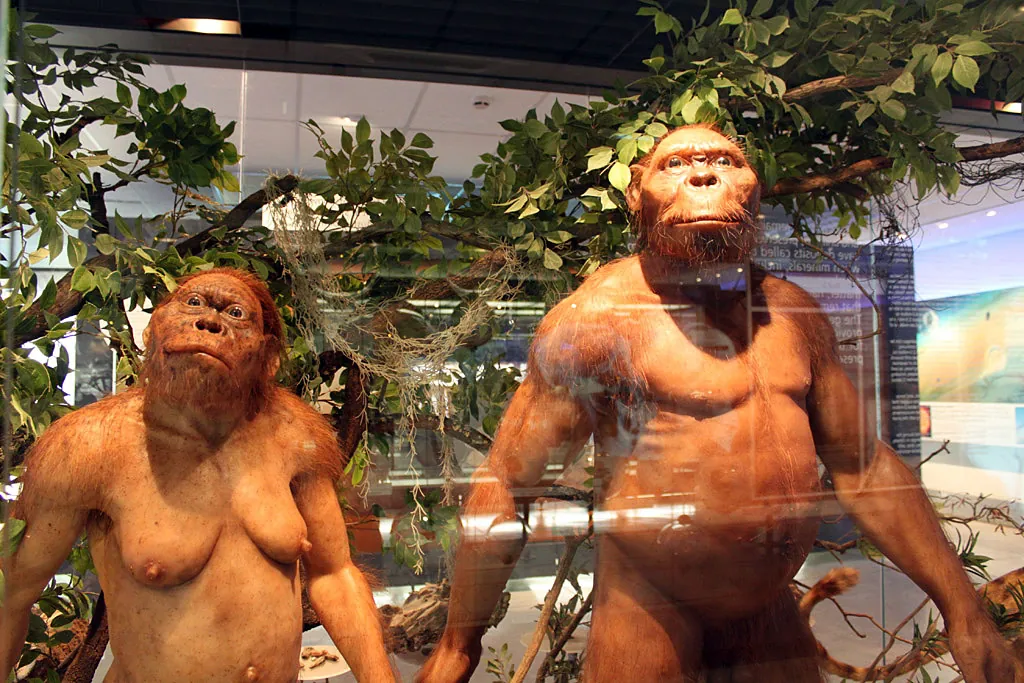
Beyond the water path, the exhibition hall expands into a wide subterranean space filled with interactive displays, ancient stone tool collections, and real or cast fossil displays spanning millions of years. Displays illustrate the evolution of early mammals, shifts in global climate, and the development of intelligence among early hominin species. It is an engaging indoor environment designed for all ages, making complex evolutionary anthropology accessible to families and international travelers alike. Learn more about the layout in our detailed Maropeng visitor experience walkthrough.
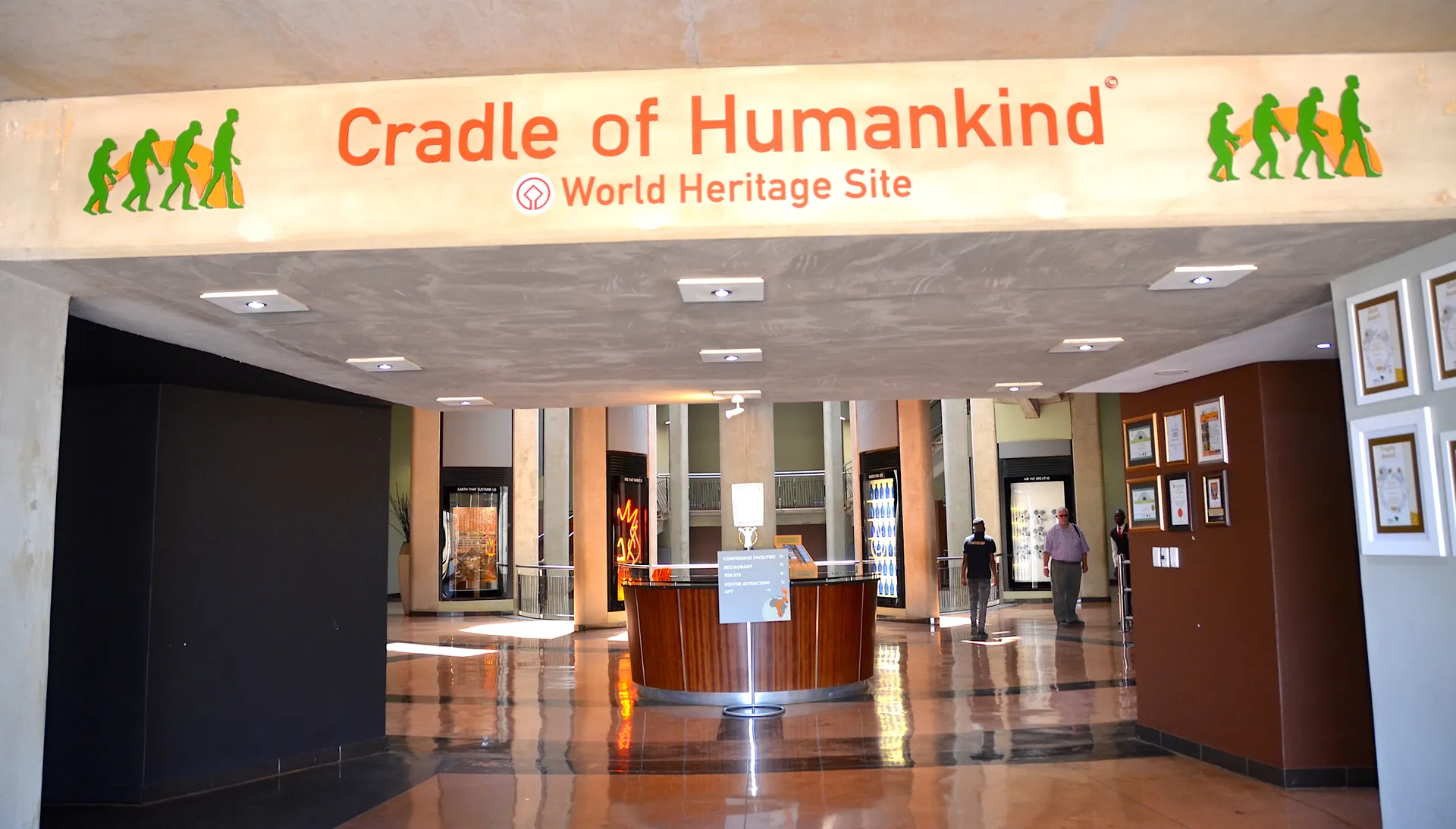
“Walking into the back side of the Tumulus building feels like stepping straight out of a grassy Highveld hill into a hidden research vault. The contrast between ancient earth and modern architecture is brilliant.”
— Oliver Sterling
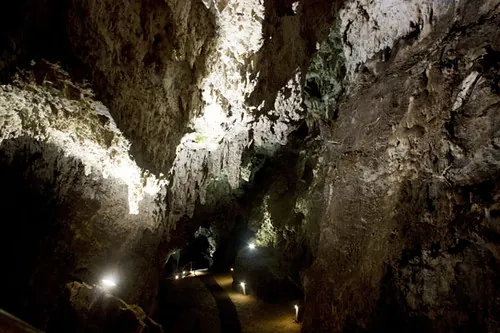
Descending into Sterkfontein reveals the physical limestone matrix where iconic fossils slept undisturbed for millions of years.
Sterkfontein Caves
While Maropeng explains the story, Sterkfontein Caves is where the story was physically pulled out of the earth. Located a short ten-minute drive down the road, this active paleoanthropological site is responsible for some of the most profound fossil discoveries in scientific history. Guided tours lead small groups down into dolomitic limestone chambers, taking you past active scientific excavation grids where university teams still work today. The damp air and cool ambient underground temperatures offer an immediate contrast to the warm sunshine outside on the veld.
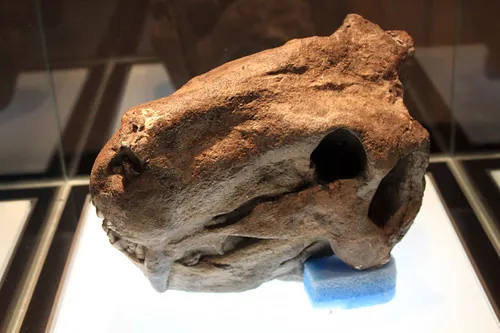
Sterkfontein is most famous for yielding two extraordinary specimens: “Mrs. Ples,” a 2.3-million-year-old Australopithecus africanus skull discovered in 1947, and “Little Foot,” a near-complete 3.67-million-year-old hominin skeleton extracted painstakingly from teh surrounding breccia rock over two decades. Standalone access is available for the ground-level museum and preparation laboratory if you prefer not to venture deep inside the chambers. Read our complete safety overview in our guide to exploring Sterkfontein Caves before finalizing your itinerary.
Planning Your Day
To enjoy both sites without rushing, start your morning at Sterkfontein Caves when your energy is fresh. The subterranean tour requires going down steep metal staircases, crouching through low-ceilinged stone passages, and traversing damp, uneven pathways. Travelers with severe mobility issues or claustrophobia should stick to the surface exhibition hall and preparation lab. Non-slip walking shoes are mandatory for anyone going underground, as moisture trickling through the dolomite makes the rock walkways slick. Check our official visitor guidelines and dress recommendations for a smooth trip.
After finishing at the caves, drive your hire car or take your tour transport over to Maropeng for lunch and an afternoon exploring the main museum galleries. The Tumulus Restaurant features outdoor deck seating overlooking the Magaliesberg mountain range, giving you time to rest your legs while taking in the highveld landscape. Families traveling with young children will find Maropeng much easier to manage than the cave descent, thanks to wide paved ramps, touch-screen educational games, and open grassy areas outside for kids to stretch their legs. If you want to stay in the area overnight, consult our curated guide to dining and luxury accommodations near the heritage site.
- Morning Focus: Schedule Sterkfontein Caves early to beat peak heat and complete the physical cave descent first.
- Midday Transition: Allow fifteen minutes to drive between Sterkfontein and Maropeng in your bakkie or rental car.
- Afternoon Focus: Spend two to three hours wandering the interactive underground halls and outdoor viewing decks at Maropeng.
- Tour Bookings: You can book guided day excursions through local operators via our tickets and tour booking page.
Practical Visitor Information
Both visitor centers operate on strict daily schedules, though operating days differ slightly between locations. Maropeng is open seven days a week, whereas Sterkfontein Caves remains closed on Mondays for ongoing site maintenance and scientific research conducted by Wits University. Planning ahead ensures you do not arrive at closed gates or miss the last guided tour departure of the day.
| Location / Attraction | Operating Days | Hours of Operation | Standard Entry Fees |
|---|---|---|---|
Special entry allowances exist at Sterkfontein Caves, including free admission on your actual birthday upon presenting a valid South African ID card or international passport. Pensioners must present proof of age at ticket counters to claim discounted rates. If you need details on transport options from OR Tambo International Airport or central Johannesburg hotels, review our comprehensive transport and route planning guide. For broader details on the region’s protected status, consult the UNESCO World Heritage Centre listing or official travel advice on South African Tourism. Discovering the birthplace of humanity is a deeply moving experience that every traveler should leave time for.