Safety and Travel Practicalities in South Africa
Understanding South African Realities and Airport Navigation
International travel advisories, including formal guidance from the UK Foreign Office, classify South Africa under a Level 2 caution status. This classification asks travelers to maintain heightened personal awareness rather than abandon their plans. Living in Johannesburg for several years has taught me that navigating this countryside requires a balanced combination of healthy practical routines and local knowledge. Most visits proceed smoothly when you adopt sensible habits early in the trip.
Your arrival point is almost certainly OR Tambo International Airport in Kempton Park. As Africa’s busiest aviation hub, the airport operates with clear signage and standard international protocols. After clearing customs and retrieving your luggage, head directly toward the rental car building or official transport desks. Unofficial porters inside teh arrivals hall may offer assistance, but sticking to verified personnel keeps your belongings secure. For live updates on arrivals and terminal maps, check the Official ACSA Airport Site before touching down.
Vehicle Rental and Highway Etiquette
Choosing a Car and Insurance Coverage
Rental desks at OR Tambo house all major international agencies. Selecting a standard sedan or compact crossover provides ample power for the highways leading out to Gauteng’s countryside. An automatic transmission makes driving easier while adapting to left-hand traffic rules. Ensure your rental package includes super collision damage waiver insurance to eliminate financial worry. An International Driving Permit accompanied by your national driving license is mandatory for all foreign drivers in South Africa.
Rules of the Veld Roads and Highway Courtesies
Traffic moves on the left side of the road across South Africa, and seatbelts are compulsory for every passenger. Major highways around Johannesburg have multi-lane setups where faster traffic stays to the right. On two-lane rural routes, slower utility vehicles known locally as bakkies often pull onto the paved shoulder to allow faster vehicles to pass. If a driver creates space for you to overtake, a brief double-flash of your hazard lights is the customary local way to say thank you.
Navigation Systems and Urban Security Protocols
Managing Navigation Apps and Signal Dead Zones
Navigation applications like Google Maps and Waze operate reliably across major urban stretches in Johannesburg and Pretoria. Signal gaps occur when traveing into deeper valley sections of the Magaliesberg region. Downloading offline maps for Gauteng before leaving your hotel guarantees uninterrupted directions. Local power grid adjustments can occasionally disrupt mobile towers or traffic signals, so carrying a portable battery pack and keeping a physical route summary on hand remains a smart precaution.
Handling Traffic Lights and Vehicle Protection
South Africans refer to traffic lights as robots. When approaching a robot, keep all car doors locked and windows rolled up, especially during stop-and-go traffic or at night. Stash personal items, handbags, laptops, and cameras inside the boot out of view. Prevent opportunistic smash-and-grab incidents by leaving enough space between your bumper and the car ahead so you can maneuver if necessary.
Refueling Procedures and Regional Driving Routes
Fuel Station Operations and Cash Tipping
Petrol stations across South Africa are full-service operations where attendants handle the fuel pump for you. You remain inside the car while the attendant fills the tank, checks oil levels, and cleans your windscreen. Paying with a credit or debit card is standard practice at almost every major station. Offering a cash tip of 10 to 20 ZAR to the attendant is customary for good service and goes a long way toward supporting local workers.
Driving Out to the Cradle Route
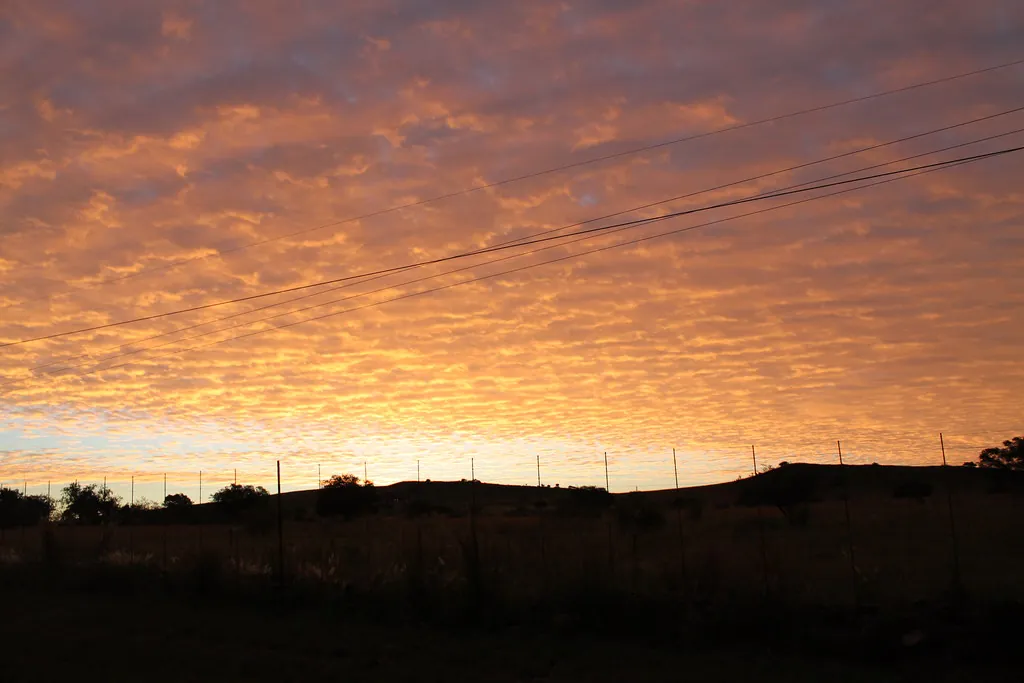
The exact cradle of humankind south africa location sits approximately 50 kilometres northwest of central Johannesburg. The most direct driving route follows Beyers Naudé Drive (R512) or the N14 highway heading toward Mogale City. The highway transitions into open veld landscapes with gentle rolling hills. Road conditions are generally smooth, though drivers should stay alert for speed enforcement cameras and occasional potholes along secondary regional roads.
Practical Personal Security and Health Essentials
Maintaining security while exploring Gauteng involves simple daily precautions. Avoid walking alone after dark in quiet urban areas, and use registered ride-hailing services like Uber when moving between evening venues in Sandton or Rosebank. When touring open-air markets or public parks, keep valuable watches and expensive jewelry inside your hotel safe. For detailed safety procedures and itinerary options, consult our regional Gauteng tips guide.
Health standards in Johannesburg and surrounding regions are high. Municipal tap water in Gauteng is safe to drink straight from the faucet. Highveld altitude sits at 1,700 metres above sea level, which means the sun is intense and dehydration happens quickly. Wear a broad-brimmed hat, apply sunblock regularly, and carry water when walking around site grounds. Reviewing the Visitor Rules Guidelines before arriving helps you prepare for physical requirements at underground sites like Sterkfontein.
Save emergency numbers in your mobile phone prior to setting out: Dial 10111 for police response, or call 082 911 for private medical response services like Netcare. Having these contacts ready provides instant support if unexpected situations arise.
Regarding why South Africa is known as the Cradle of Humankind, the region contains nearly half of all global hominid fossils discovered to date, including famous specimens like Mrs. Ples and Little Foot preserved in ancient subterranean limestone deposits. Exploring this World Heritage site takes approximately three to four hours for a complete visit covering both the Maropeng interactive museum and the active excavation landscape. More background on these discoveries is detailed in our archaeological history section.
Travelers choosing between driving themselves or taking an organized excursion will find advantages in both options. Renting a car offers total flexibility to explore nearby countryside restaurants and game reserves at your own pace. On the other hand, booking an organized transfer or a guided day tour experience removes all driving responsibilities and provides door-to-door transit with a local driver you can place your trust in. Additional transport details are available on our transportation guide page, while entry options can be checked on our tickets page.