Top Scenic Drives and Day Trips from Johannesburg
There is a distinct moment when you escape the concrete perimeter of Sandton and Rosebank, leaving behind Johannesburg high-rises for the wide open space of the Highveld. Within forty-five minutes, the suburban office parks give way to rolling grasslands, dark dolomite ridges, and thorn trees illuminated by crisp morning light. As a British expat who has called Johannesburg home for years, I still feel a proper sense of quiet excitement whenever my tyres hit the rural roads heading West. The noise of the city fades, replaced by the deep silence of the veld and the gentle rustle of sweet grass.
Taking a scenic drive west toward the Cradle of Humankind offers one of the finest day trips in Gauteng. Whether you are driving a humble rental sedan or a sturdy local bakkie, the roads connecting northern Johannesburg to the limestone valleys are smooth, well-signposted, and full of rewarding detours. Craft studios, open-air cafes, fossil sites, and mountain passes sit within easy reach of each other, making a self-drive itinerary flexible and engaging.
Essential Driving Logistics: Navigating out of Joburg toward the West Rand
Leaving central Johannesburg is straightforward if you clear the suburban traffic before eight in the morning. The primary route follows the N14 highway west towards Krugersdorp, a clean dual carriageway that cuts straight through the West Rand hills. If you prefer to study your travel route before heading out, reviewing a detailed transport and driving guide provides clarity on toll gates, fuel stops, and exit points.
For those taking a self-drive vehicle, the roads leading into the heritage zone are paved and suitable for all vehicle types. Higher ground clearance is helpful if you plan to venture down gravel farm tracks, but a standard hatchback handles the main arteries with ease. Rental car pickups are straightforward at O.R. Tambo International Airport or Lanseria International Airport, the latter sitting directly on the doorstep of the Cradle corridor.
The R400 and R563 Corridors: Arteries of the Cradle
Once you turn off the main highway onto the R400 or R563, the countryside opens up dramatically. The R400 is a scenic secondary road that cuts directly across the heritage site core zone, winding past cattle farms, lime kilns, and game properties. Checking a regional cradle of humankind south africa map reveals how these two roads form a logical loop, allowing you to enter via Kromdraai and return via Hekpoort without retracing your steps.
Driving along teh smooth tar of the R400 early in the morning is a highlight in itself. The sunlight strikes the grassy hills at a low angle, casting long shadows across acacia groves and shallow stream beds. It is a scenic route that many international drivers are unfamiliar with. Speed limits on these secondary routes are typically 80 to 100 kilometres per hour, though you should remain alert for stray farm livestock or slow-moving agricultural machinery along the verges.
First Major Stop: Walter Sisulu National Botanical Garden and the Roodekrans Ridge
Before entering the core heritage region, a short detour off the R28 brings you to Poortview, home of the Walter Sisulu National Botanical Garden. Managed by the South African National Biodiversity Institute, this 300-hectare reserve sits at the foot of the dramatic Roodekrans ridge. The estate combines manicured indigenous lawns with wild, undeveloped ridge vegetation.
The main focal point inside the garden is Witpoortjie Waterfall, where red quartzite cliffs drop vertically into a deep plunge pool. These cliffs host a breeding pair of Verreaux’s eagles, which have nested on the rocky ledges for decades. More than 220 bird species inhabit the garden grounds, making it a local favourit spot for early morning coffee and bird watching before continuing north into the dolomitic valleys.
Sculptural Interludes: Art, Nature, and Coffee at NIROX Sculpture Park
Continuing north along the Kromdraai Road brings you to NIROX Sculpture Park. Located within a 1,300-hectare private nature reserve, this 15-hectare outdoor gallery integrates contemporary fine art with engineered waterways, weeping willows, and manicured lawns. It is a peaceful space where artists in residence design large-scale installations that respond directly to the natural landscape.
“Walking through NIROX on a quiet weekday morning feels like discovering a secret open-air museum where the artwork changes tone with the passing clouds.”
Paths wind around clear ponds, stone bridges, and shaded lawns, offering a relaxing pace for visitors. An artisan coffee bar and pop-up eateries operate on site during weekend exhibition days. Booking entry tickets online in advance is recommended, as daily visitor numbers are kept low to protect the peaceful atmosphere of the grounds.
The Underground Heart: Transitioning from Scenic Roads to Sterkfontein Caves
From the Kromdraai Valley, a short ten-minute drive along the R563 leads to the Sterkfontein Caves. This underground cavern system has yielded some of the world’s most significant paleoanthropological fossils, including the famous hominid specimens known as “Mrs. Ples” and “Little Foot”. Guided subterranean tours run continuously throughout the day, taking visitors deep into limestone chambers beneath the earth’s surface.
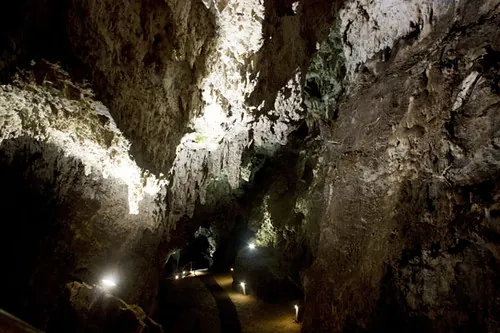
Descended into the cave mouth involves narrow pathways, damp rock faces, and flighted stairs. Sturdy non-slip shoes are necessary for navigating the wet limestone floors comfortably. Before descending into the main chamber, review our dedicated guide on what to expect at Sterkfontein Caves to prepare for physical entry requirements and safety guidelines.
Immersive Horizons: Reaching the Tumulus Building at Maropeng Visitor Centre
Ten kilometres west of Sterkfontein along the R400 sits Maropeng, the official visitor centre for the World Heritage site. The architecture of the main building resembles an ancient burial mound, or Tumulus, rising naturally out of the grassy landscape. Once inside, the layout transforms into a modern exhibition facility that guides visitors through billions of years of planetary and evolutionary history.
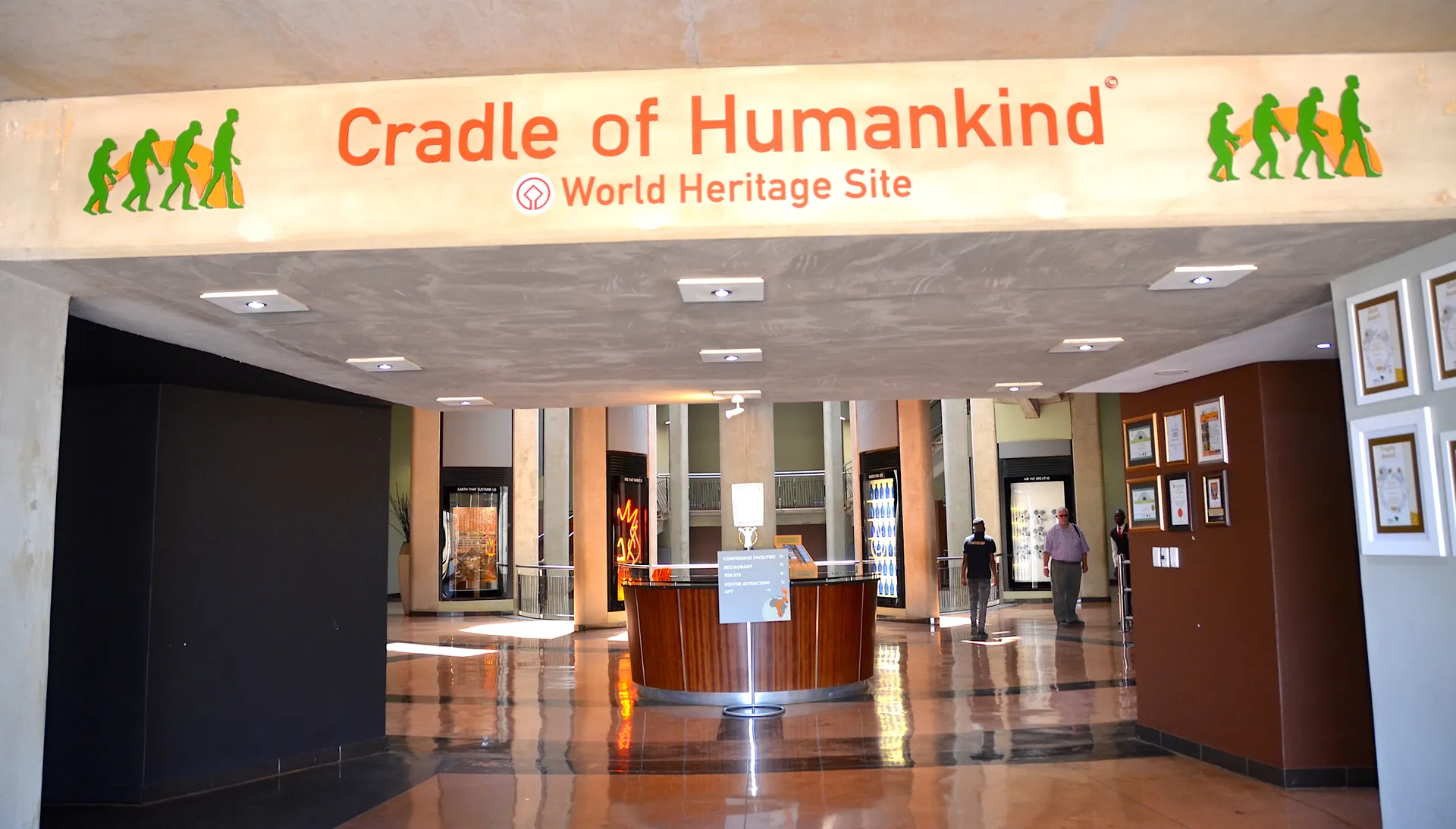
The self-guided exhibition features interactive displays, fossil replicas, and an underground boat ride that simulates the four element forces of earth, fire, air, and water. Adult admission tickets range between R190 and R250. For a complete walkthrough of the exhibition layout and dining options inside the building, consult our Maropeng Visitor Centre overview. If you prefer not to drive yourself, booking an organised cradle of humankind tour from johannesburg provides seamless hotel pickup, transport, and entry tickets in a single package.
Venturing Further West: The Magalies Meander and Country Roads
Driving west past Maropeng brings you into the lower slopes of the Magaliesberg range, one of the oldest mountain systems on earth. The road dips into the Hekpoort Valley, where family-run farms produce organic honey, goat cheese, pecan nuts, and handmade leather goods. This region forms part of the Magalies Meander, a network of rural artisans, farm stalls, and country retreats.
The driving here is gentle, with long straight stretches framing blue mountain peaks in the distance. Stopping at local roadside stalls allows you to pick up farm-fresh produce or enjoy homemade ginger beer under the shade of eucalyptus trees. It is an ideal extension to your trip if you wish to spend an entire day outdoors away from urban crowds.
Aerial Perspectives: Hot Air Ballooning over Skeerpoort and the Magaliesberg
For a completely different view of the landscape, early risers can head to Skeerpoort, located just north of the heritage zone near Hartebeespoort Dam. Operations such as Bill Harrop’s “Original” Balloon Safaris launch hot air balloons at dawn from their Skeerpoort Country Base.
Drifting silently over the Magalies River Valley at sunrise reveals the ancient geological folds of the terrain in ways no road trip can match.
Flights last roughly one hour, floating gently above winding riverbeds, farms, and game enclosures. Upon landing, passengers are greeted with traditional champagne and brought back to the clubhouse pavilion for a full breakfast cooked to order. It requires an early four-thirty in the morning departure from Johannesburg, but the view of the morning mist lifting off the mountains makes the early wake-up call well worth it.
Culinary Pit Stops: Wood-Fired Dining and Farm Stalls Along the Way
A country drive through Gauteng is incomplete without a proper lunch stop. The area surrounding the R400 and R563 features several excellent country eateries serving local trout, wood-fired pizzas, and classic South African braai dishes. Many venues feature sprawling oak gardens, play areas for children, and craft microbreweries producing cold ales on tap.
Whether you choose an elegant terrace overlooking the Magaliesberg mountains or a relaxed country pub along the stream, dining options cater to all tastes and budgets. For curated recommendations on where to eat and stay overnight, review our complete dining and accommodation directory.
Practical Safety Tips for Self-Drive Explorers in Gauteng
Self-driving in Gauteng is safe and enjoyable when you follow basic local precautions. Keep your vehicle’s fuel tank topped up, as petrol stations along rural secondary roads can be spaced fifteen to twenty kilometres apart. Mobile navigation apps like Google Maps or Waze function well across the region, though downloading offline maps is a smart backup for remote valley roads where signal fluctuates.
- Daylight Hours: Schedule your drive to return to major highways before dark. Rural roads lack street lighting and may have stray animals crossing.
- Valuables: Store cameras, handbags, and luggage out of sight in the boot when parked at trailheads or craft markets.
- Rain and Weather: Highveld summer afternoons bring sudden, violent thunderstorms. Reduce your driving speed during heavy rain to avoid hydroplaning on slick asphalt.
- Gravel Roads: Avoid unpaved dirt roads after heavy rain unless your vehicle has adequate ground clearance and traction.
For further regional advice on structuring a multi-day itinerary around Johannesburg and Pretoria, check our guide on first-time travel tips for Gauteng.
Crafting Your Perfect Return Journey at Sunset
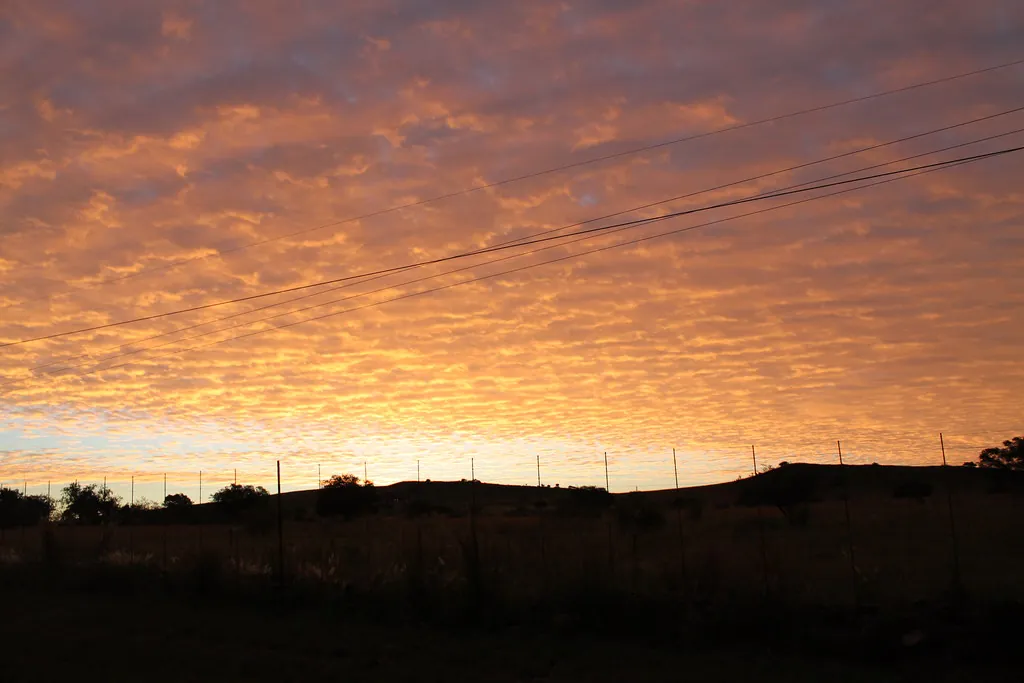
As late afternoon approaches, the light across the Highveld turns warm and amber. The return drive along the N14 back toward Johannesburg offers sweeping views of the city skyline in the distance, bathed in the pink and orange tones of a Gauteng sunset. It is a satisfying end to a day spent exploring deep history, beautiful gardens, and scenic country roads.
Beyond Cradle of Humankind
South Africa features an extraordinary range of landscape viewpoints, coastal nature reserves, and botanical havens across its provinces. While the grasslands and limestone ridges near Johannesburg offer deep insights into early human history, other regions across the country provide contrasting natural wonders that are equally deserving of a spot on your travel itinerary.
Top Nearby Spots Comparison
| Location | Province | Rating | Key Highlight |
|---|---|---|---|
| Cradle of Humankind (Maropeng & Sterkfontein) | Gauteng | 4.8 | Fossil caves, interactive museum & open Highveld scenery |
| Walter Sisulu National Botanical Garden | Gauteng | 4.8 | Witpoortjie Waterfall & nesting Verreaux’s eagles |
| Valley of Desolation | Eastern Cape | 4.8 | Sheer dolerite rock columns overlooking Karoo plains |
| Kirstenbosch National Botanical Garden | Western Cape | 4.8 | Indigenous flora on Table Mountain slopes |
| Cape Point Nature Reserve | Western Cape | 4.7 | Dramatic coastal cliffs, lighthouses & ocean views |
| De Hoop Nature Reserve | Western Cape | 4.7 | Pristine white sand dunes & whale watching |
Highlights Around the Region
Valley of Desolation
Located near Graaff-Reinet in the Eastern Cape, the Valley of Desolation features vertical dolerite columns that rise 120 metres above the Karoo floor. Formed by volcanic and erosive forces over millions of years, the cliffside viewpoints provide panoramic views over vast arid plains. It is an exceptional destination for photographers and road trippers exploring the interior heartland.
Kirstenbosch Botanical Garden
Set against the eastern slopes of Table Mountain in Cape Town, Kirstenbosch is acclaimed globally for its focus on indigenous Fynbos flora. The estate spans 528 hectares, complete with canopy walkways, stone pathways, and summer sunset concerts. It offers a lush coastal contrast to the open savanna grasslands found in northern South Africa.
Cape Point Nature Reserve
Occupying the southern tip of the Cape Peninsula, Cape Point Nature Reserve is defined by rugged sea cliffs, historic lighthouses, and wild coastal fynbos. Visitors can ride the Flying Dutchman funicular or hike along scenic ocean tracks to watch crash waves hit the rocky shore below. Baboons, bontebok, and cape mountain zebras roam freely across the coastal landscape.
De Hoop Nature Reserve
Situated along the Overberg coastline, De Hoop is famous for its rolling white sand dunes and marine reserve. Between June and November, the coastal waters serve as one of Southern Africa’s premier nursery grounds for Southern Right Whales. The terrestrial reserve features guided coastal walks, bird hides, and secluded mountain bike trails.
Getting Around
Exploring South Africa’s scenic routes is easiest with a private rental vehicle. Highways connecting major urban centers like Johannesburg, Pretoria, and Cape Town are well-maintained with frequent service stations. For visitors who prefer not to navigate unfamiliar roads, structured private day tours or transfer services offer a comfortable alternative for visiting key heritage sites and national gardens with ease.